
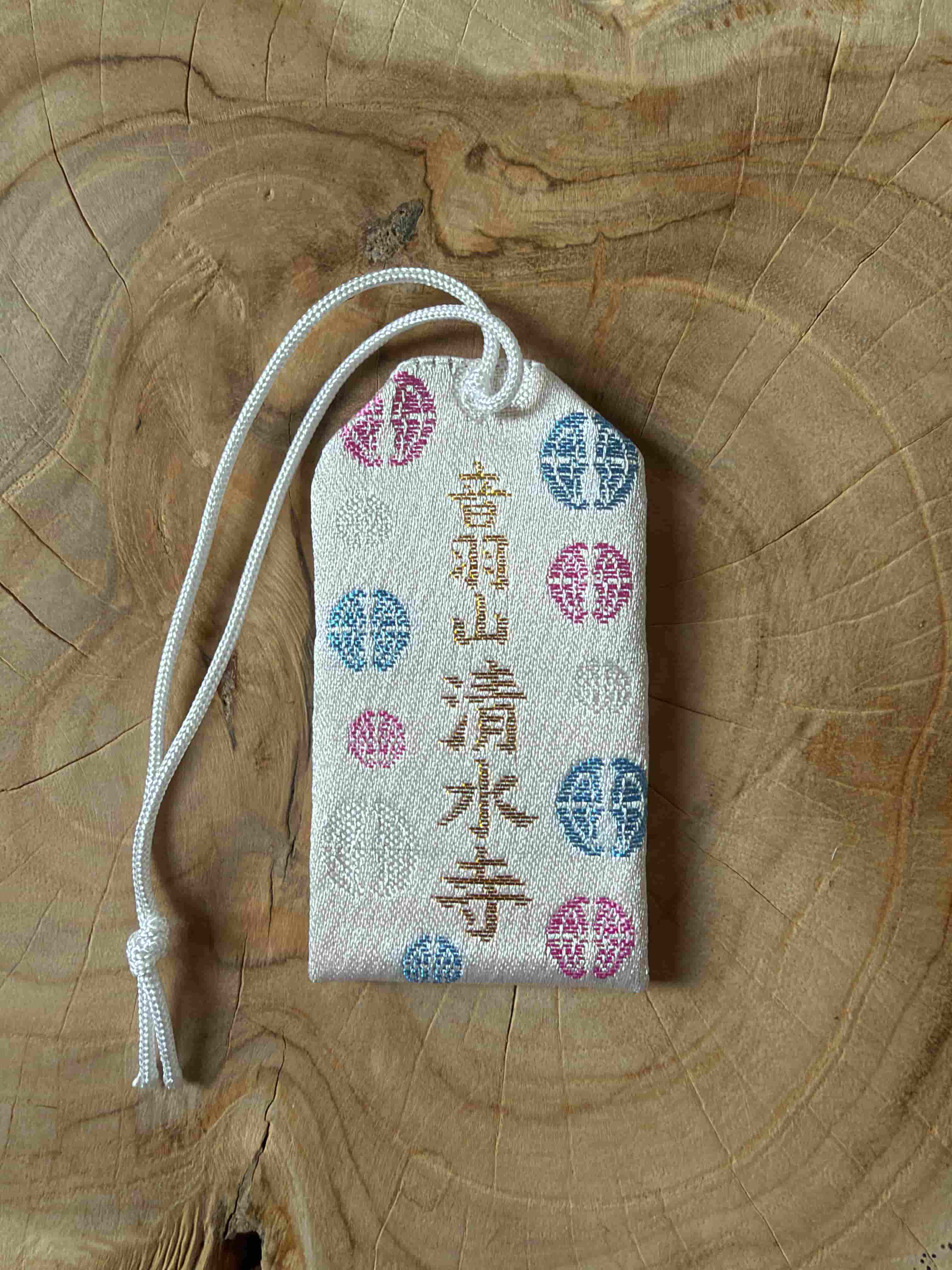
京都 清水寺のお守りです。
「清水の舞台から飛び降りる」で有名なお寺ですが、、、なんと実際に飛び降りた記録があるんですね😱
更新HPの記事を転載しましたが、「清水の観音さまに一心に祈って飛ぶと、命も助かり願いも叶うという迷信による」ものだそうです。現代では飛ぶのはダメです。絶対。
公式HPより
当山に参詣されたことがない方も、「清水の舞台から飛び降りたつもりで…○○する!」という、決心の言葉は聞いたことがあるのでは? これはそもそも、本当に飛び降りた人々がいたから生まれた言葉。
当山・成就院に残る記録によれば、江戸時代の中期・元禄7年(1694)から明治維新直前の元治元年(1864)までの間に、未遂を含めてなんと235件もの飛び降り(当時の記録では「飛び落ち」)があったとか。ほとほと困った当山では、「防止柵をつけるとか、人々に飛び落ちないよう指導してください」と、京都町奉行所へ何度もお願いしたという記録も残っています。明治時代に入って、ようやく舞台の周りに竹矢来が組まれ、京都府から禁止令が発令されて終息したのです。
地上約12メートル、4階建てのビルに相当する清水の舞台。この高さから飛び降りて、はたして無事だったのでしょうか…。先の成就院の記録の統計によれば、生存率は約85%。かなりの人が、命を落とさずにすんでいます。
「飛び降りた人」の内訳は、10~20代の若者が53%以上を占め、最年長は80歳で最年少はなんと12歳! また70%が女性で、2度飛んで2度とも助かっている女性もいたとか。いざという時の思いきりは、昔から女性のほうがよかったのかもしれませんね。
出身地では日本全国に分散していますが、地元京都の人が70%と圧倒的多数を占めています。階級別では、武家や公家の記録はなく、若い僧侶や尼僧が約7%。飛び降りたほとんどが一般庶民でした。
235件もの飛び降り事件は、なぜ起きたのでしょうか? 自殺志願と思われがちですが、これは全く逆の理由。清水の観音さまに一心に祈って飛ぶと、命も助かり願いも叶うという迷信による、願掛けだったのです。
奇跡的な生存率の高さのせいか、衝撃的な行動のせいか、この迷信は市井の人々に篤く信じられ、江戸時代に大流行した観音信仰とあわせて日本全国に広まっていきました。
歌舞伎や浮世絵、川柳などにもこの「飛び降り」を扱った作品が数多くあり、『東海道中膝栗毛』の中には、おなじみ弥次さん喜多さんが、お坊さんから「当山では昔から、観音さまに願をかけて舞台より飛び降りる人がいるが、怪我をしないという、ありがたいところなのです」と、お話を聞いているシーンが登場します。
Here is an English translation of the text about Kiyomizu-dera Temple and the historical “jumps” from its stage:
These are amulet charms from Kiyomizu-dera Temple in Kyoto.
The temple is famous for the idiom “jumping off the stage of Kiyomizu” (meaning to take a massive leap of faith), but… believe it or not, there are actual historical records of people really jumping! 😱
As a recently updated official website article explains, this tradition stemmed from the superstition that “if you pray single-mindedly to the Kannon of Kiyomizu and jump, your life will be spared and your wish will come true.” Needless to say, jumping today is strictly prohibited. Absolutely.
From the Official Website:
Even if you have never visited our temple, you may have heard the resolute phrase, “I’m going to do [X] as if jumping off the stage of Kiyomizu!” This expression was born precisely because people actually used to jump off it.
According to records preserved at our temple’s Joju-in residence, between the middle of the Edo period—specifically Genroku 7 (1694)—and Genji 1 (1864), just prior to the Meiji Restoration, there were a staggering 235 instances of people jumping (referred to in the records of the times as “falling down”), including attempted jumps. Completely at their wits’ end, temple authorities repeatedly petitioned the Kyoto Magistrate’s Office, asking them to “install prevention barriers and instruct people not to fall/jump.” It wasn’t until the Meiji era that bamboo fences (takeyarai) were finally erected around the stage and a prohibition was issued by Kyoto Prefecture, bringing the practice to an end.
The stage of Kiyomizu stands about 12 meters above the ground, equivalent to a 4-story building. Did people really jump from this height and come out safe…? According to statistical data from the aforementioned Joju-in records, the survival rate was approximately 85%. A surprisingly large number of people managed to escape without losing their lives.
Looking at the breakdown of those who jumped: young people in their teens and twenties accounted for over 53%, with the oldest being 80 years old and the youngest a mere 12! Furthermore, 70% were women, and there is even a record of a woman who jumped twice and survived both times. When it came to taking a decisive leap, women may have had more nerve than men since ancient days.
While their hometowns were scattered all across Japan, local residents of Kyoto made up an overwhelming majority at 70%. By social class, there were no records of samurai or aristocrats, though young monks and nuns made up about 7%. Almost all of those who jumped were commoners.
Why did these 235 jumping incidents happen? It is easy to assume they were suicide attempts, but the reason was actually the complete opposite. It was a form of making a vow (gan-kake), fueled by the superstition that if one prayed with a single heart to the Kannon of Kiyomizu and jumped, their life would be spared and their wish would be granted.
Perhaps due to the miraculously high survival rate or the shocking nature of the act, this superstition was deeply believed by ordinary townspeople, spreading nationwide alongside the widespread popularity of Kannon worship during the Edo period.
Numerous works in kabuki theater, ukiyo-e woodblock prints, and senryu poetry depicted these “jumps.” For instance, in the classic Tokaidochu Hizakurige (Legwork on the Tokaido), there is a scene where the familiar duo Yajirobe and Kitahachi listen to a priest tell them, “Since ancient times at our temple, people have made vows to Kannon and jumped from the stage; it is a wondrous place where one does not get hurt.


From Japan.
— WabiSabi Asobee
No comments yet.